1.What is non-woven fabric used for?
Non-woven fabric is used in the production of various medical products, including incontinence pads, adult diapers, and sanitary napkins.
2.Is non-woven fabric breathable?
Non-woven fabric can be engineered to be breathable, allowing for air circulation while maintaining its absorbent properties in incontinence products.
3.How does non-woven fabric compare to traditional textile materials?
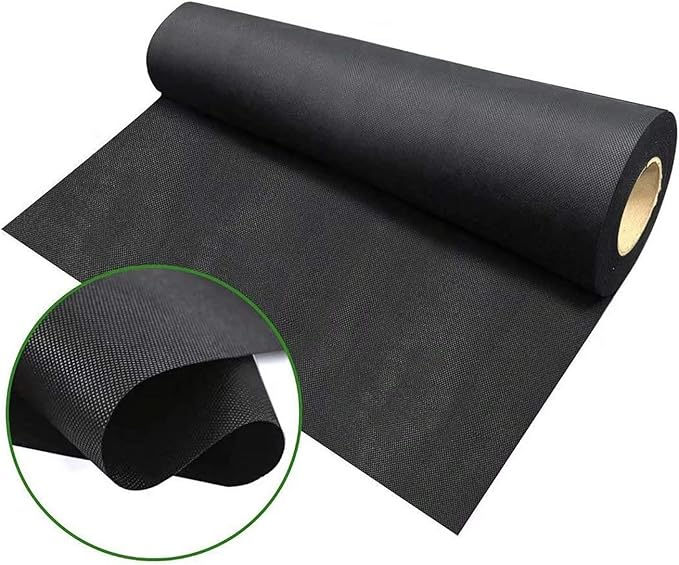
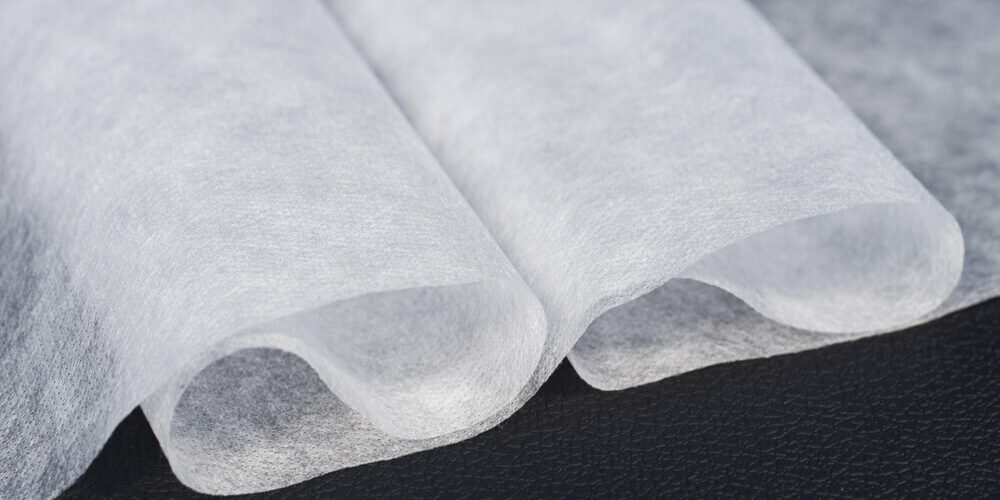
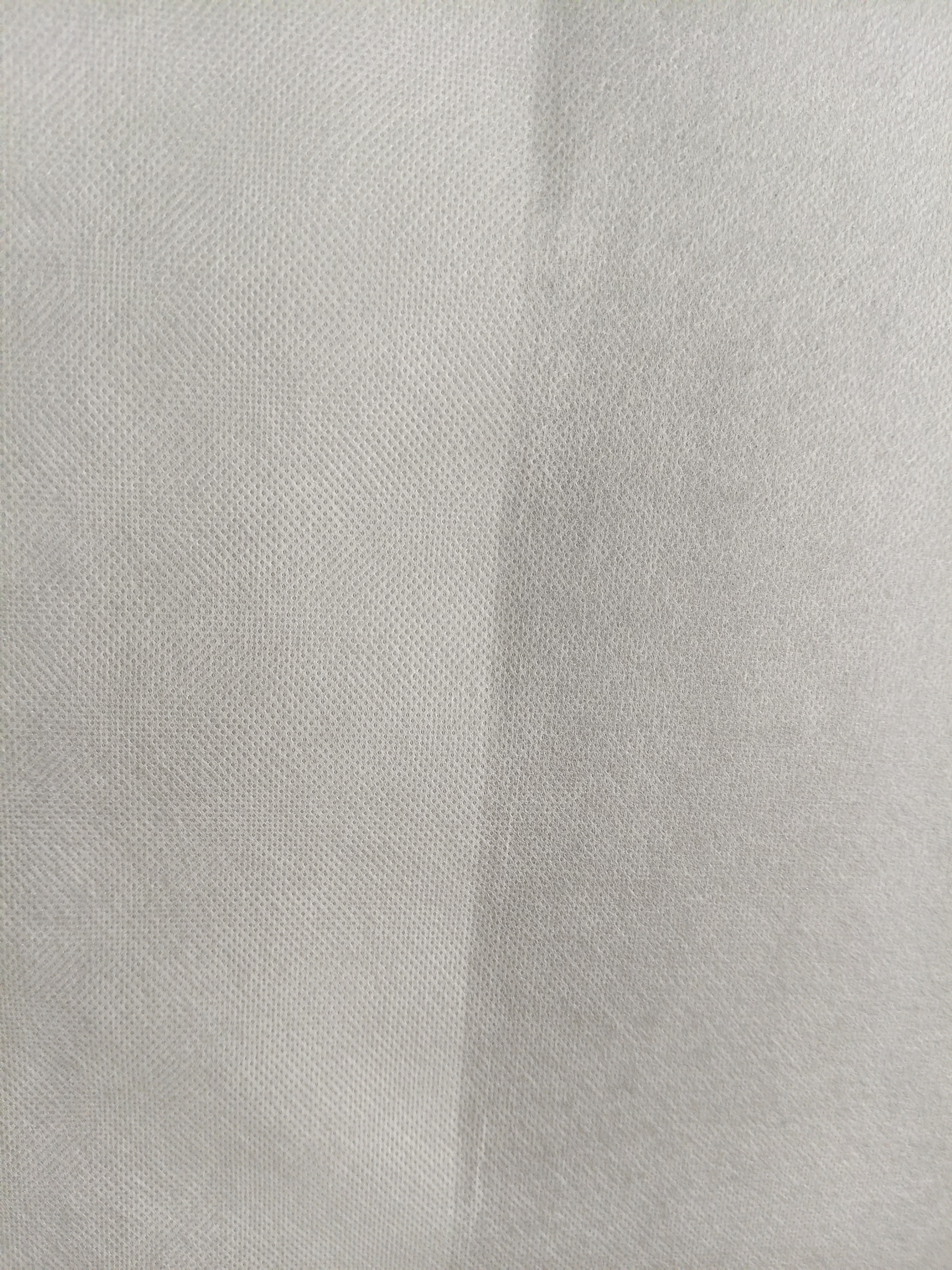
Non-woven fabric differs from traditional textiles in that it is produced directly from fibers without the need for weaving or knitting, resulting in a versatile and cost-effective material for incontinence products.
4.Can non-woven fabric be washed and reused?
Non-woven fabric is often designed for single-use purposes, making it disposable and more hygienic for incontinence care. It is not typically washed and reused like traditional textiles.
5.What are the benefits of using non-woven fabric in incontinence products?
Non-woven fabric offers advantages such as high absorbency, softness, comfort, and resistance to moisture, making it an ideal choice for incontinence pads and adult diapers.
6.Are non-woven fabrics suitable for sensitive skin?
Non-woven fabrics can be hypoallergenic and gentle on sensitive skin, making them a preferred material for incontinence products that come in direct contact with the skin.
7.Can non-woven fabric be environmentally friendly?
Non-woven fabric can be eco-friendly when made from sustainable materials and manufactured using energy-efficient processes, contributing to reducing the environmental impact of incontinence product production.